
When you think about fire safety at home, what comes to mind? Smoke detectors, fire extinguishers, maybe a fire escape plan. But there’s a hidden danger in most homes that gets overlooked entirely: your dryer vent.
We tend to treat dryers as harmless appliances. Toss in some wet clothes, push a button, and come back later to warm, fluffy towels. But behind that wall, inside that flexible hose, something dangerous might be building up. Lint. And lots of it.
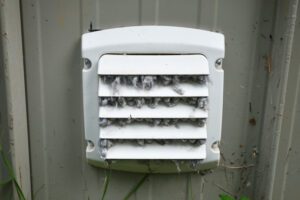
The Fire Risk Is Real
According to fire safety experts, thousands of home fires each year are caused by clothes dryers. The leading culprit? Failure to clean the dryer vent.
Every time you run a load of laundry, your dryer produces lint. Some of it gets caught in the lint trap, which you probably clean after every load. But some of it escapes. It travels through the vent hose, past the wall, and out to the exterior vent cap. Over time, that escaping lint accumulates inside the vent pipe.
That lint is highly flammable. And the air moving through that vent is hot, sometimes over 150 degrees. When you combine heat, lint, and restricted airflow, you’ve got a recipe for a fire.
Warning Signs Your Vent Needs Attention
Your dryer will usually tell you when something is wrong. The trick is paying attention. Here are the most common signs that your dryer vent is clogged:
- Clothes take longer than usual to dry. This is usually the first sign. If a load that normally takes 40 minutes is taking an hour or more, airflow is restricted.
- Clothes come out hotter than normal. When hot air can’t escape, it stays trapped inside the drum. Your clothes feel excessively warm to the touch.
- The outside of your dryer feels unusually hot. The appliance itself should never be too hot to touch comfortably.
- You notice a burning smell. This is a red flag. If you smell something burning while the dryer runs, stop using it immediately and call a professional.
- The exterior vent flap doesn’t open fully. When the dryer runs, you should see the outside vent flap open. If it barely moves, lint is blocking the airflow.
Beyond Fire: Other Reasons to Clean Your Vent
Even if a fire never starts, a clogged dryer vent causes other problems.
Your dryer has to work much harder to push air through a blocked vent. That means it uses more energy, which drives up your electric bill. It also puts extra wear and tear on the appliance, shortening its lifespan. Many homeowners end up replacing dryers years too early simply because they didn’t clean the vent.
There’s also a moisture issue. When hot, humid air can’t escape outside, it gets trapped in your laundry room. That extra humidity can lead to mold growth, musty odors, and even damage to your walls and ceilings.
Why DIY Isn’t Always Enough
Yes, you should clean the lint trap after every load. That’s step one.
But the vent hose that runs from your dryer to the outside, that’s a different story. Many homeowners try to clean it themselves with a brush or vacuum attachment. But most standard tools can’t reach the full length of the vent. They might knock down some lint, but they often just push the rest deeper into the system.
We use specialized equipment designed specifically for dryer vent cleaning. Powerful vacuums, rotary brushes, and inspection cameras ensure the entire line is clear from the dryer all the way to the exterior cap.
When to Schedule a Cleaning
How often should you have your dryer vent professionally cleaned? For most households, once a year is a good rule of thumb. If you have a large family and do multiple loads a day, you might want to schedule every six months.
Don’t wait until your clothes stop drying or you smell something burning. A simple, affordable dryer vent cleaning could save your home, and your peace of mind. Contact us today to schedule your next cleaning and keep your home safe and secure.